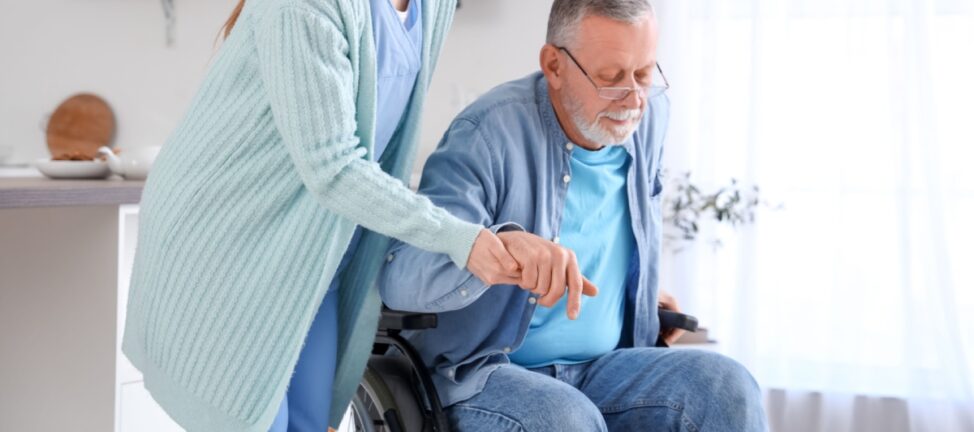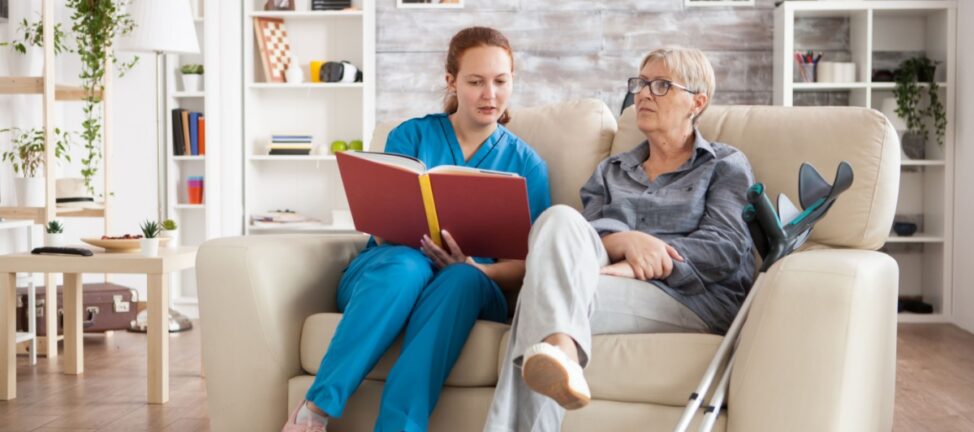
Effective communication is the foundation of quality home health care. When caregivers and families work together with clear, consistent communication, it creates a supportive environment where seniors receive the best possible care. Without strong communication, misunderstandings can arise, care plans may become inconsistent, and important changes in a patient’s condition …
Creating Personalized Care Plans for Seniors at Home
Providing quality care for seniors requires more than a one-size-fits-all approach. Each individual has unique medical needs, personal preferences, and lifestyle considerations that must be taken into account. Personalized care plans are the foundation of effective home health care, ensuring that seniors receive the right level of support while maintaining …
Post-Hospitalization Recovery: How Home Care Helps Prevent Readmission
Recovering after a hospital stay can be one of the most critical periods in a patient’s health journey. Whether the hospitalization was due to surgery, illness, or a chronic condition, the transition from hospital to home requires careful planning and ongoing support. Without proper care, many patients face complications that …
Understanding the Emotional Needs of Seniors in Home Care
Aging brings many changes, not only physically but emotionally as well. Seniors receiving care at home often face challenges that go beyond medical needs, including feelings of loneliness, anxiety, and loss of independence. Understanding and addressing these emotional needs is essential for providing truly comprehensive care. When emotional well-being is …
How Personal Care Aides Support Seniors with Chronic Conditions
Seniors living with chronic conditions sometimes require additional support so that they can manage their daily lives. They are already suffering from diseases like diabetes, heart disease, arthritis, and respiratory illnesses, which make daily tasks quite challenging for them. When seniors opt for personal care aides, they can live comfortably …